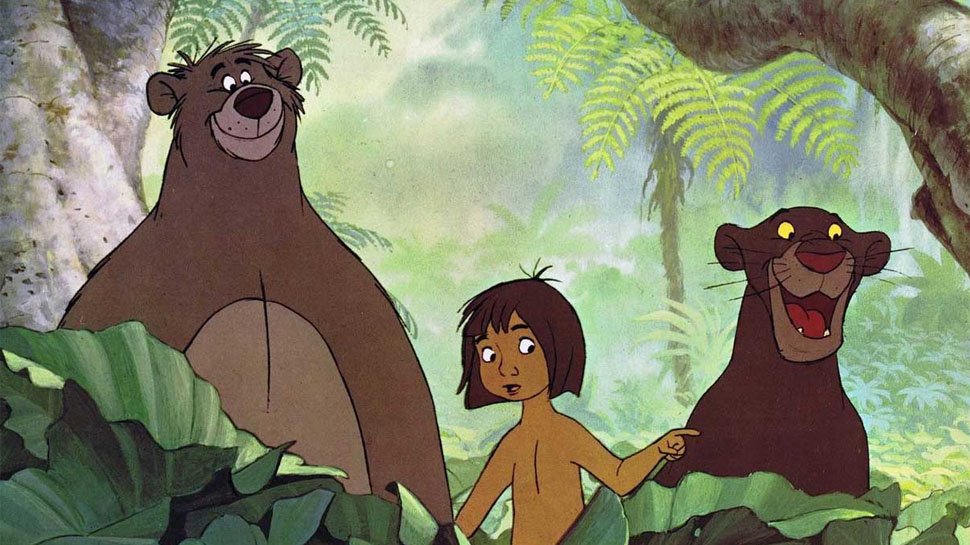
The moment Phil Harris’s warm, gravelly voice first rumbled, "Look for the bare necessities, the simple bare necessities," a legend was cemented. Disney's Baloo: 1967 Animated Film Portrayal didn't just introduce a character; it captured the very essence of carefree joy, shaping generations' understanding of Rudyard Kipling's beloved bear. This isn't just a nostalgic trip; it's an exploration of how a post-production Disney film, imbued with a jazz-infused spirit, created an animated icon that dances through our memories, teaching us to embrace the lighter side of life.
At a Glance: Disney's 1967 Baloo
- Final Masterpiece: The Jungle Book (1967) was the last animated feature Walt Disney personally supervised before his passing, released posthumously.
- Voice of an Icon: Phil Harris perfectly embodied Baloo, bringing a distinct, jazzy, and easygoing personality to the character.
- Signature Song: "The Bare Necessities," sung by Harris, became an enduring anthem for simple living and a core part of Baloo’s philosophy.
- Coming-of-Age Story: Baloo represents carefree childhood, contrasting with Bagheera's adult responsibility in Mowgli’s journey.
- "Disneyfied" Kipling: The film intentionally moved away from the darker tones of Rudyard Kipling's original stories, opting for a lighter, more musical adaptation.
- Enduring Charm: Baloo's portrayal is celebrated for its warmth, humor, and timeless message of appreciating life's simple pleasures.
The Jungle Jumps: Walt Disney's Final Artistic Touch
The Jungle Book (1967) holds a unique, bittersweet place in Disney history. It was the final animated film produced by Walt Disney himself, released just a year after his death in 1966. This context is crucial to understanding the film's tone and its enduring appeal. Directed by Wolfgang Reitherman, the movie stands as one of the best post-war Disney films, a testament to the studio's talent even during a period of profound transition. It encapsulates Walt Disney's profound legacy in animation, particularly his vision for storytelling that blended heartwarming characters with memorable music.
Disney's approach to adapting Rudyard Kipling's original Jungle Book stories was deliberate: less dark, more whimsical. Walt himself famously told the Sherman Brothers, the legendary songwriting duo, to write songs for the film without even reading Kipling's source material. This directive ensured a distinct "Disneyfication," moving away from the more serious, colonial undertones of the book towards a purely entertaining, often comedic, adventure. The original songwriter, Terry Gilkyson, had penned efforts deemed "too Kipling" by Walt, with only one of his songs making the final cut: "The Bare Necessities," which would become Baloo's iconic anthem. The result was a bouncy, unforgettable soundtrack, perfectly captured by the tagline, "The Jungle is Jumpin’!"
Phil Harris Embodies Baloo: A Voice of Pure Joy
It's impossible to discuss Disney's 1967 Baloo without celebrating Phil Harris. The renowned jazz musician and comedian brought Baloo to life with a vocal performance that was less acting and more pure, unadulterated personality. Harris's distinct, raspy voice imbued Baloo with a jazzy, laid-back charm that instantly made him lovable. He wasn't just voicing a bear; he was the bear – easygoing, fun-loving, and eternally optimistic. This was a masterclass in voice acting, a performance that showcased the magic possible when legendary voice actors become synonymous with their animated counterparts.
Harris’s improvisation and natural delivery were key to making Baloo feel so authentic and alive. He brought a looseness and spontaneity to the role that resonated deeply with audiences. The conversations between Baloo and Mowgli, or Baloo and Bagheera, felt less like scripted dialogue and more like genuine interactions between friends. This naturalistic approach was a hallmark of the film, contributing significantly to its warmth and humor.
"The Bare Necessities": More Than Just a Song
"The Bare Necessities" isn't just a catchy tune; it's the philosophical core of Baloo's character and arguably the entire film. Penned by Terry Gilkyson, it's the only song from his initial work that Walt Disney retained, recognizing its universal appeal. When Phil Harris performs it, with Baloo and Mowgli floating down the river, it becomes an invitation to a way of life – a philosophy of seeking joy in simplicity.
The lyrics encourage letting go of worry and finding contentment in what nature provides, embracing a lifestyle free from the burdens of materialism or complex ambitions. Baloo teaches Mowgli that true happiness comes from appreciating the simple things: a good scratch, a tasty red ant, and the warmth of friendship. This message of living with the enduring appeal of 'The Bare Necessities' resonated then and continues to resonate today, making the song a timeless classic and Baloo an enduring symbol of contentment. It’s a powerful lesson, subtly delivered through song, about focusing on what truly matters rather than endlessly striving for more.
Baloo, Mowgli, and the Call of Childhood
At its heart, The Jungle Book (1967) functions as a coming-of-age parable for Mowgli, and Baloo plays a pivotal role in this journey. Baloo embodies carefree childhood, a stark contrast to the more serious and responsible Bagheera. While Bagheera consistently urges Mowgli towards the safety of the man-village and adult responsibility, Baloo offers him an idyllic, albeit unsustainable, alternative: a life of endless play and freedom in the jungle.
Baloo takes Mowgli under his paw, becoming a playful mentor who teaches him about the joys of simple living, from foraging for food to dancing the "bear necessities" way. He represents the comfort of staying forever young, forever free from worries. This dynamic creates a powerful tension in the film, highlighting Mowgli’s internal struggle between embracing the wild, carefree existence offered by Baloo and acknowledging the inevitable call to his human identity and the responsibilities that come with it. Ultimately, Mowgli does move towards civilized life, drawn by a village girl and spurred by the need to use fire against Shere Khan, but the lessons and the love he shares with Baloo leave an indelible mark.
Beyond Kipling: Crafting a "Disneyfied" Bear
Rudyard Kipling's Baloo in The Jungle Book stories is a much more serious, somewhat stern, albeit benevolent, teacher of the Law of the Jungle. He is depicted as wise and ancient, responsible for teaching Mowgli the animal language. Disney's 1967 portrayal, however, takes significant liberties, transforming him into the jovial, fun-loving, and deeply affectionate character we know. This transformation was a key part of the "Disneyfication" process.
The studio chose to dial back the darker, more intense elements of Kipling's narrative, focusing instead on character charm, humor, and musicality. This meant Baloo shedding his more authoritarian teacher persona for that of a lovable, slightly irresponsible uncle figure. This creative decision made Baloo more accessible and endearing to a broader audience, particularly children. While some purists might argue it strayed too far from the source, it undeniably created a beloved character perfectly suited for Disney's animated musical format. This approach defined how various adaptations of The Jungle Book would later either follow this lighthearted path or consciously diverge from it.
Visual Charm: Baloo's Animated Presence
While the animation in The Jungle Book (1967) might be considered "unremarkable" compared to some of Disney's earlier, more lavish productions, it effectively served the film’s narrative and character designs. For Baloo, the animation style perfectly complemented Phil Harris’s vocal performance. Baloo’s rounded, bulky form conveyed his easygoing nature, his movements were fluid and often comical, emphasizing his playfulness.
Whether he was scratching his back on a tree, floating leisurely down the river, or dancing with Mowgli, Baloo’s animated presence was designed to exude warmth and joviality. The animators captured the bear’s lumbering gait with a lightness that belied his size, making him appear gentle and approachable. The naturalistic movements for characters like Mowgli and Bagheera were also present in Baloo, grounding him in the jungle environment while still allowing for exaggerated, cartoonish expressions that added to his comedic appeal.
A Lasting Paw Print: Baloo's Enduring Legacy
The 1967 animated film solidified Baloo's place in popular culture. Phil Harris's portrayal set a high bar, making Baloo synonymous with warmth, humor, and that infectious "bare necessities" philosophy. This foundational depiction influenced every subsequent iteration of the character.
For example, when John Goodman voiced Baloo in The Jungle Book 2 (2003), he clearly built upon the blueprint established by Harris, maintaining that lovable, carefree spirit. Similarly, Bill Murray's take on Baloo in Jon Favreau's 2016 live-action/CGI adaptation also drew heavily from the 1967 film's characterization, even performing a rendition of "The Bare Necessities." The fact that these later adaptations continued to lean into the easygoing, musical, and mentoring aspects first popularized in 1967 is a testament to the enduring power and appeal of Disney's original animated portrayal. The 1967 film didn't just animate a character; it defined him for generations.
Common Questions About Disney's 1967 Baloo
You might have a few lingering questions about this iconic animated bear. Let's tackle some of the most common ones.
Was Baloo a major character in Rudyard Kipling's original Jungle Book stories?
Yes, Baloo was a significant character in Kipling's stories, but his portrayal differed considerably from Disney's 1967 film. In Kipling's work, Baloo is a wise, old bear, a strict but benevolent teacher of the Law of the Jungle to Mowgli and the other young wolves. He is serious and respected, focusing on imparting knowledge rather than embodying carefree joy.
Who sang "The Bare Necessities" in the 1967 film?
The iconic song "The Bare Necessities" was sung by Phil Harris, the voice actor for Baloo himself. His distinctive, jazzy vocal style perfectly captured the essence of the song and the character, making it one of the most memorable musical numbers in Disney history.
How much did Walt Disney contribute to the 1967 Jungle Book?
The Jungle Book was the last animated film Walt Disney personally supervised during its production. He was heavily involved in shaping its lighter tone, directing the Sherman Brothers on the music, and influencing the character development. Tragically, he passed away in 1966, before the film's release, making it his final animated legacy.
What makes the 1967 Baloo different from other portrayals?
The 1967 Baloo stands out primarily due to Phil Harris's unique voice performance, which imbued the character with a distinctive jazzy, laid-back, and purely fun-loving personality. This portrayal emphasized Baloo as a symbol of carefree childhood and simple pleasures, a significant departure from Kipling's more serious, pedagogical bear. It set the benchmark for all subsequent animated and live-action versions, which often pay homage to this iconic interpretation.
Rediscovering Baloo's Timeless Appeal
Disney's Baloo, as conceived in the 1967 animated film, is more than just a character; he's a philosophy, a comforting presence, and a joyous reminder of simpler times. His voice, his song, and his playful mentorship of Mowgli carved an indelible mark on animation history. He teaches us, with every hum of "The Bare Necessities," to embrace life's simple joys and let go of unnecessary worries. So, the next time you find yourself tangled in the complexities of modern life, perhaps it's worth revisiting the jungle, letting Baloo, the Jungle Book bear remind you that sometimes, all you truly need are the bare necessities.