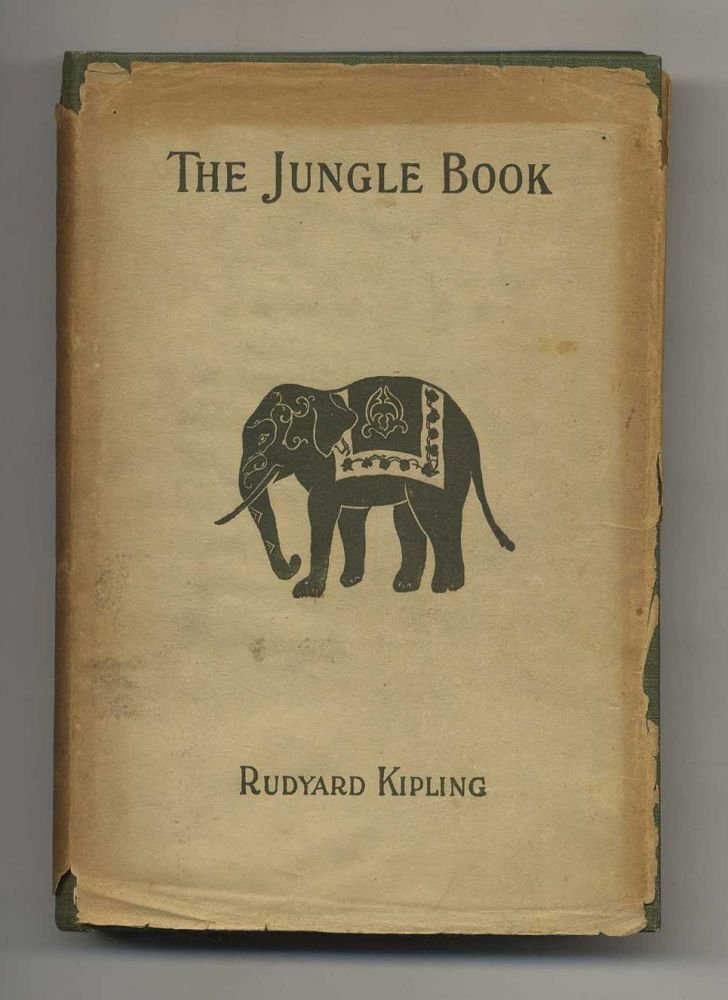
When you delve into Rudyard Kipling's timeless tales, few characters leave as indelible a paw print on the imagination as Baloo. Far from the jovial, scat-singing bear of later adaptations, Baloo in Rudyard Kipling's Original Jungle Book emerges as a formidable, if somewhat sleepy, force of wisdom and discipline. He isn't just a friend to the man-cub Mowgli; he is the unwavering cornerstone of Mowgli's education in the harsh, beautiful world of the Seeonee jungle, literally teaching him the very essence of survival through the stringent Jungle Law.
At a Glance: Baloo in Kipling's Original Jungle Book
- Who He Is: A Himalayan brown bear, described as old, wise, and often sleepy.
- His Primary Role: The strict, patient teacher of the wolf cubs, and especially Mowgli, in the ways of the jungle and its immutable laws.
- His Relationship with Mowgli: A stern but loving mentor and protector, acting as a foster father figure alongside Bagheera.
- His Contribution to Mowgli's Survival: Instrumental in saving Mowgli from Shere Khan and ensuring his acceptance into the Seeonee wolf pack.
- His Signature Trait: His deep, encyclopedic knowledge of the Law of the Jungle, which he imparts rigorously.
More Than Just a Bear: Baloo's Enduring Legacy
Rudyard Kipling, with his deep understanding of nature and societal structures, crafted Baloo not merely as an animal character but as an archetype. This venerable Himalayan brown bear, heavy with years and knowledge, is one of the most significant figures Mowgli encounters. He is a steadfast presence from The Jungle Book (1894) to The Second Jungle Book (1895), always grounded, always principled. To truly appreciate the foundational aspects of this character, you might want to Explore the Jungle Book bear and understand the diverse representations across different interpretations.
Kipling’s description paints a clear picture: Baloo is an ancient, lumbering creature, whose immense strength is matched only by his profound tranquility. He represents the sheer weight of tradition and the unyielding importance of adherence to natural order. He is the quiet force that maintains balance, even if he often appears to be napping through it all. But don't let the "sleepy old bear" description fool you; beneath that calm exterior lies a mind sharper than any claw and a memory that holds every nuance of the jungle's intricate rules.
The Stern, Sleepy Teacher: Baloo's Core Role in the Jungle Pack
In the Seeonee wolf pack, Baloo holds a unique and crucial position: he is the undisputed teacher of the Law of the Jungle. Every cub, from the youngest to the most rambunctious, must pass through Baloo's rigorous schooling. This isn't just about learning how to hunt or hide; it's about understanding a complex code of conduct, a moral and practical framework that ensures the survival and harmony of the jungle's inhabitants. Baloo understands that the Law is life itself, and his dedication to teaching it is absolute.
For Mowgli, the "man-cub," Baloo's instruction is even more critical and, at times, more challenging. Mowgli, with his human curiosity and tendency to question, doesn't always take to the lessons with the same reverence as the wolf cubs. He's often impatient, sometimes rebellious, but Baloo's patience is boundless, his commitment unyielding. He knows that Mowgli's survival hinges on mastering the intricate Law of the Jungle, and he approaches this monumental task with a blend of gentle nudges and firm swats. The sheer physicality of Baloo’s teaching—often involving a cuff over the ears for a forgotten lesson—highlights the seriousness of the curriculum.
Mowgli's Unlikely Guardian: A Father Figure in Fur
Baloo's involvement with Mowgli begins at the very first Council Rock gathering, where Mowgli's fate is decided. When Shere Khan, the menacing tiger, demands Mowgli be turned over to him, Baloo steps forward, alongside Bagheera the panther, to speak in the man-cub's favor. His voice, deep and resonant, carries significant weight in the pack's deliberations. Baloo's declaration that he will teach Mowgli the Law of the Jungle is what ultimately secures Mowgli's place within the pack, effectively adopting him as one of his own. This initial act of advocacy cements the unique bond between Mowgli and Baloo, a relationship built on trust, protection, and shared purpose.
This makes Baloo not just a teacher, but a profound protector. He and Bagheera jointly bear the responsibility for Mowgli’s upbringing, guiding him through the dangers and complexities of jungle life. Baloo is the steadfast, grounding presence, offering a sense of stability and an unwavering moral compass. He doesn't just impart knowledge; he instills values: respect for the jungle, empathy for other creatures, and the understanding that every action has a consequence within the delicate ecosystem.
Baloo and Bagheera: A Complementary Duo
While Baloo is the strict disciplinarian and teacher, Bagheera the panther often serves as the cooler, more pragmatic counterpoint. Their dynamic is one of Kipling's most brilliant literary creations. Baloo might scold Mowgli for forgetting a "Master-Word," but Bagheera is often there to soften the blow or offer a different perspective. Where Baloo teaches the law through rote and repetition, Bagheera often illustrates it through cunning and example.
This partnership is essential for Mowgli's holistic development. Baloo provides the foundational knowledge and strict adherence to rules, while Bagheera offers speed, agility, and a more worldly understanding of the jungle's political and social landscapes. The frequent, good-natured disagreements between them—Baloo defending his methods, Bagheera advocating for a bit more leniency—show the fascinating dynamic between Baloo and Bagheera. It mirrors the push and pull of different parenting styles, ultimately working in concert to raise Mowgli into a competent and moral individual capable of navigating both the animal and human worlds.
Wisdom Beyond the Growl: Baloo's Philosophy and the Law
Baloo's wisdom isn't just about memorizing facts; it's about understanding the spirit behind the Law. He teaches Mowgli the "Master-Words" of the various jungle folk—the birds, the snakes, the hunting folk—which serve as passwords for safe passage and communication. But more than that, he teaches the underlying principles of co-existence, respect for territory, the ethics of the hunt, and the importance of warning others of danger.
He embodies a philosophy of deep ecology, where every creature has its place and every action impacts the whole. This is why his lessons are so vital; they're not arbitrary rules but practical guidelines for survival and mutual respect. Even in his sleepiness, Baloo is acutely aware of his surroundings, demonstrating that true wisdom often involves quiet observation and a deep, ingrained knowledge that needs little active thought. This profound understanding connects Baloo to the overarching themes of Kipling's original work regarding order, chaos, and the delicate balance of nature.
The Jungle Law Master: Specific Lessons Taught by Baloo
Baloo’s curriculum for Mowgli and the wolf cubs is exhaustive. It covers everything from recognizing the calls of different animals to understanding their habits and territories. Here are some specific examples of the practical wisdom he imparts:
- The Master-Words: Baloo rigorously drills Mowgli on the unique greeting words for every species: "We be of one blood, ye and I" for the various hunting folk, specific phrases for the birds, and even the "Cold Lick" for the snake-folk. These aren't just polite greetings; they are survival tools, ensuring an animal can signal peaceful intent and ask for aid if needed.
- The Hunting Laws: He teaches the ethics of the hunt: never kill for sport, only for hunger. Never hunt man (unless for food, in which case it is an exception from Shere Khan's perspective, but generally frowned upon by the pack). Always identify your prey before the kill, and never kill the young.
- The Water Truce: During droughts, Baloo instructs on the sacred Water Truce, where all animals, predator and prey alike, gather peacefully at the dwindling water sources, putting aside their enmities. This demonstrates a higher law of necessity and mutual survival.
- Respect for Elders and Authority: Baloo constantly reinforces the hierarchy of the jungle, and the importance of respecting leaders and those with more experience. His own authority as a teacher is never questioned by the pack, underscoring this principle.
- Observation and Awareness: Beyond words, Baloo teaches Mowgli to observe, listen, and smell—to become attuned to the subtle shifts in the jungle that signify danger or opportunity. He hones Mowgli's instincts, making him a true child of the wilderness.
These lessons are often painful, as Mowgli chafes under the discipline, but they are consistently presented as non-negotiable for life in the jungle.
Character Archetype in Action: What Baloo Represents
Kipling, a master of characterization, used Baloo to embody several powerful archetypes. He is primarily the Wise Mentor—the grizzled, experienced elder who imparts essential knowledge. Think of him as the jungle's sage, the one holding the collective memory and ancestral wisdom.
Secondly, Baloo functions as the Strict but Loving Parent. His cuffing of Mowgli’s ears, though physical, is never malicious. It’s the tough love of a father figure who knows that laxity can lead to death in a perilous world. He provides structure, boundaries, and consequences, all rooted in a deep love for his charge.
Finally, Baloo represents the Guardian of Tradition and Order. He is the bulwark against chaos, the one who reminds everyone of the laws that hold their society together. In a world constantly threatened by individualistic predators like Shere Khan, Baloo’s unwavering commitment to the Law of the Jungle serves as a moral anchor. Understanding Baloo in this light helps us appreciate Kipling's masterful use of character archetypes throughout his works, where each character serves a symbolic purpose beyond their literal animal form.
Beyond the Cartoons: The Original Baloo's Depth
For many, the first introduction to Baloo is through Disney's animated adaptations, which often portray him as a carefree, fun-loving bear whose primary goal is to teach Mowgli about the "Bare Necessities" of life. While charming, this portrayal largely omits the depth and gravitas of Kipling's original character.
The Baloo of Kipling's stories is far more complex and integral to the jungle's governance. He is not a peripheral character; he is foundational. His lessons are not about simple pleasures but about the harsh realities of survival, responsibility, and community. He embodies a sense of duty and the weight of tradition. The "sleepy old bear" description isn't about laziness; it suggests a deep, calm power, an almost Zen-like state of being that comes from immense knowledge and self-assurance. Kipling’s Baloo is a teacher, a judge, and a protector—a character whose influence shapes Mowgli's very soul.
Why Baloo Still Matters: Enduring Lessons for Us All
The enduring appeal of Baloo, and indeed The Jungle Book, lies in its ability to transcend its setting and offer timeless insights into human nature and society. Baloo's lessons, though couched in animal allegories, speak to universal principles:
- The Importance of Education: His relentless teaching underscores that knowledge, especially about the rules governing our world, is paramount for survival and thriving.
- The Role of Mentorship: Baloo exemplifies the profound impact a dedicated mentor can have, guiding a young individual through crucial formative years.
- The Value of Law and Order: The Law of the Jungle, as taught by Baloo, highlights the necessity of shared rules for societal harmony, even if they sometimes feel restrictive.
- Respect for Nature: His character instills a deep reverence for the natural world and the delicate balance of ecosystems.
In a rapidly changing world, Baloo's quiet authority and unwavering dedication to the principles of communal living and respect for one's environment offer powerful reminders. He teaches us that wisdom isn't always loud or flashy; sometimes, it's a "sleepy old bear" patiently guiding the next generation.
Further Adventures in the Jungle
Revisiting Kipling’s original Jungle Book and The Second Jungle Book is a rewarding journey, offering layers of meaning often missed in popular adaptations. To truly grasp the essence of Baloo, consider seeking out unabridged versions of the text. Pay close attention to the dialogues, the descriptions of his actions, and the reactions of other characters to his presence. You'll find a character far richer and more profound than you might expect, a true pillar of the jungle and an eternal mentor whose lessons resonate far beyond the trees of Seeonee.