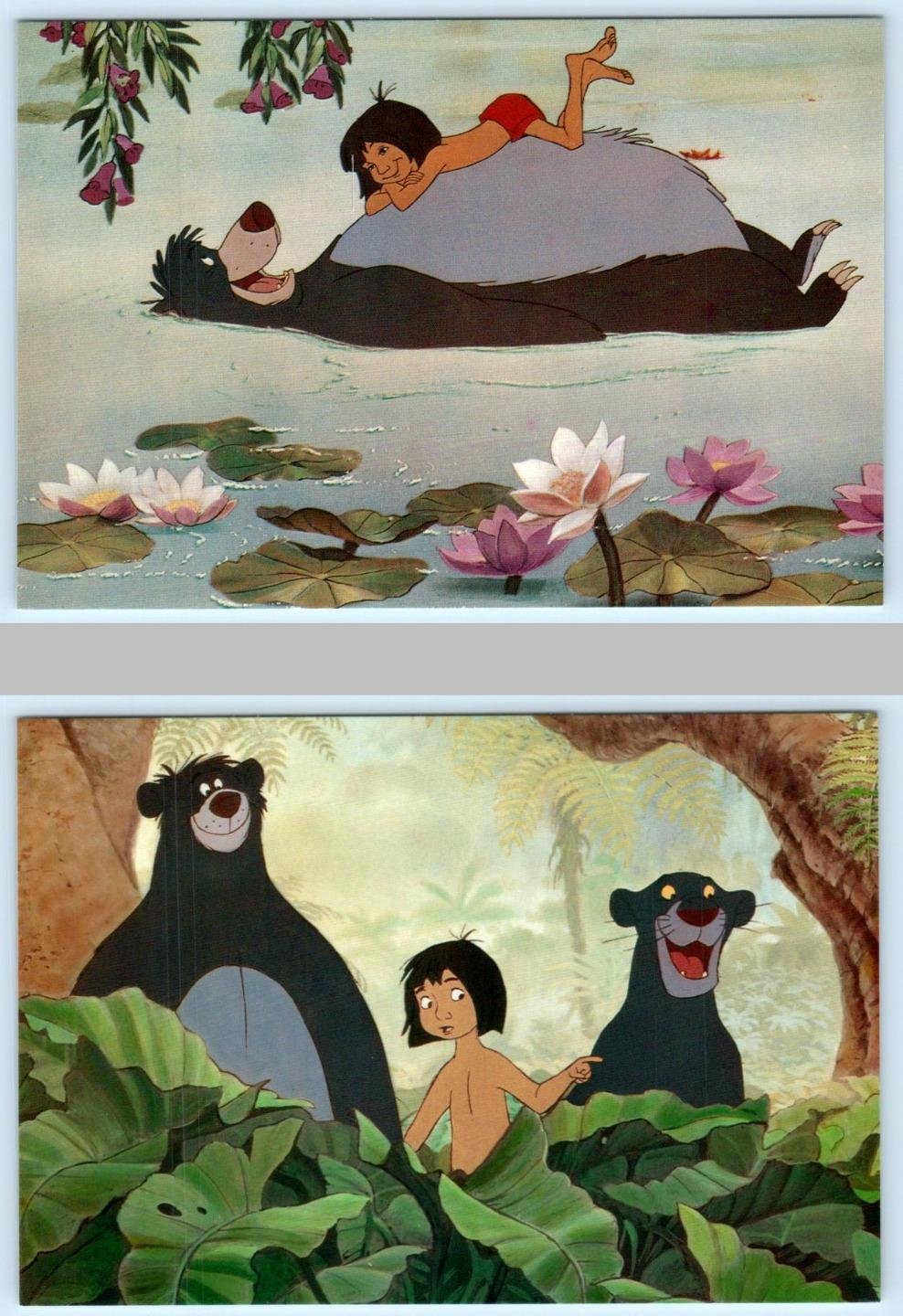
The image of Baloo, the easygoing sloth bear from Rudyard Kipling's The Jungle Book, is etched into the global consciousness. For generations, he's been a symbol of playful wisdom, loyalty, and a carefree attitude. Yet, bringing this beloved character to life in modern live-action adaptations – where hyper-realism meets the fantastical – presents a unique set of creative and technical challenges. This isn't just about rendering a believable bear; it's about capturing the very essence of Baloo in Modern Live-Action Jungle Book Adaptations while navigating the tightrope between fidelity to the source, the legacy of past interpretations, and the demands of contemporary cinema.
How do filmmakers translate a creature of animated charm and song into a talking, expressive wild animal without breaking the audience's suspension of disbelief? The answer lies in a fascinating blend of cutting-edge CGI, nuanced voice acting, and a willingness to interpret Kipling's original text through a modern lens.
At a Glance: Key Considerations for Live-Action Baloos
- Realism vs. Anthropomorphism: Balancing the bear's animalistic nature with his human-like intelligence and communication.
- The Voice of Baloo: How casting the right actor (Bill Murray, Benedict Cumberbatch) defines the character's personality.
- Visual Storytelling: The evolution of CGI to create expressive, believable animal performances.
- Narrative Function: Adapting Baloo's role from a simple teacher to a complex protector or mentor figure.
- Kipling's Vision: How closely do modern adaptations adhere to the original, often sterner, description of Baloo?
Baloo's Enduring Legacy: From Page to Cultural Icon
Before diving into the intricate world of CGI fur and motion capture, it's crucial to understand Baloo's foundational mythos. In Kipling's original stories, Baloo is a formidable, albeit good-natured, brown bear (often specified as a sloth bear, though brown bears are sometimes depicted). He’s the Law-teacher of the wolf pack, responsible for instructing the young cubs – and Mowgli – in the Lore of the Jungle. He is depicted as wise, strict, and knowledgeable, quite different from the jovial, "Bare Necessities" singing bear that many know from Disney's 1967 animated classic.
That 1967 Disney film transformed Baloo from a stoic educator into a lovable, lazy, and perpetually optimistic furball. This interpretation became the definitive Baloo for an entire generation, cementing his place in popular culture as the ultimate "buddy" character. This history creates an interesting predicament for any modern filmmaker: do you honor Kipling's original intent, lean into the widely beloved Disney persona, or forge an entirely new path? This tension is at the heart of how Baloo is depicted in contemporary live-action.
The Modern Live-Action Imperative: Realism Meets Character
The move to live-action brings with it an expectation of realism. Audiences want to believe they are seeing real animals, not cartoon characters. This immediately poses a challenge for a talking bear who can express complex emotions. The creative teams behind films like Jon Favreau's The Jungle Book (2016) and Andy Serkis' Mowgli: Legend of the Jungle (2018) had to meticulously craft their Baloo, not just physically, but in his behavioral nuances.
They faced questions like:
- How do you make a bear's mouth move to speak English without looking unnatural or unsettling?
- How do you convey emotion through realistic animal facial structures?
- What is the appropriate level of anthropomorphism for Baloo's actions and interactions?
The answers to these questions dictate whether Baloo feels like a majestic, albeit talking, wild animal, or simply a human actor in a bear suit, digitally rendered.
Jon Favreau's The Jungle Book (2016): The Art of the Believable Friend
When Jon Favreau set out to direct Disney's 2016 live-action The Jungle Book, he was acutely aware of the weight of expectation. His Baloo had to appeal to fans of the 1967 animated classic while existing in a visually stunning, photo-realistic world. The result was a masterclass in blending nostalgia with innovation, culminating in a Baloo that felt both familiar and refreshingly new.
A Voice Like a Warm Embrace: Bill Murray's Baloo
Casting Bill Murray as the voice of Baloo was a stroke of genius. Murray's distinctive, laid-back delivery perfectly captured the essence of the Disney Baloo – a character who prefers to float down rivers than hunt for food, whose wisdom comes from experience rather than textbooks. His voice imbues Baloo with an undeniable charm and a sense of reassuring calm, making him an instant favorite. Murray’s improvisation and naturalistic performance allowed the animators to adapt their digital model, creating facial expressions and body language that felt organically tied to the voice.
Visuals That Ground the Fantasy
Favreau's Baloo, visually, is a magnificent specimen of a sloth bear. The animators at MPC (Moving Picture Company) studied real bears extensively to ensure every strand of fur, every muscle ripple, and every movement was authentic. This meticulous detail allowed for a degree of anthropomorphism in his expressions without sacrificing the animal's integrity. When Baloo speaks, his lips move subtly, integrated into the natural musculature of a bear's snout. His eyes, in particular, are key to conveying emotion, showing kindness, concern, and even mischievousness.
The film cleverly portrays Baloo's "laziness" as a survival strategy, or perhaps just a personality quirk, rather than a flaw. His request for Mowgli to help him gather honey isn't purely selfish; it's a test, and a way to form a bond. This Baloo is still a teacher, but his lessons are practical, about life in the jungle and the value of friendship.
Strengths and Subtle Deviations
Favreau's Baloo successfully bridged the gap between Kipling and Disney. He’s jovial and caring, a loyal friend to Mowgli, and capable of surprising strength when needed. He doesn't sing the "Bare Necessities" in full, but a gentle hum and a nod to the song's melody provide a satisfying moment of nostalgia without feeling forced. This Baloo acts as Mowgli's guardian and emotional anchor, a testament to the power of unexpected companionship. He embodies the idea that protection can come in many forms, sometimes from the most seemingly easygoing of creatures.
The main "deviation" from Kipling's Baloo is his temperament and primary role. While still teaching Mowgli valuable lessons, his pedagogical strictness is replaced by a more paternal, supportive approach, aligning him more with the beloved animated version.
Andy Serkis' Mowgli: Legend of the Jungle (2018): The Bear of the Law
Andy Serkis' Mowgli: Legend of the Jungle (released on Netflix) presented a starkly different vision of The Jungle Book, aiming for a darker, more grounded, and tonally serious adaptation closer to Kipling's original stories. Naturally, this meant a very different Baloo.
A Mentor of Muscle and Might: Benedict Cumberbatch's Baloo
Benedict Cumberbatch lent his voice to Serkis' Baloo, bringing a gravitas and intensity that was a world away from Bill Murray's interpretation. This Baloo is a formidable, scarred, and serious creature, embodying the wisdom and strictness of the Law. His voice is deep, resonant, and often commanding, reflecting his role as Mowgli's primary instructor in the ways of the jungle.
Performance Capture and a Deeper Realism
Serkis, a pioneer in motion-capture technology (having famously played Gollum and Caesar), used performance capture extensively for his animal characters, with actors portraying the animals in special suits. While Cumberbatch's facial features aren't directly mapped onto Baloo's, the nuances of his performance – his posture, gestures, and the intent behind his lines – informed the animators' depiction of the bear.
Visually, Serkis' Baloo is even more raw and rugged. He appears powerful, with a scarred face that speaks of past battles and a life lived in the wild. This Baloo doesn't merely teach Mowgli the Law; he physically trains him, pushing him to learn the agility, strength, and cunning necessary for survival. His interactions with Mowgli often involve sparring and rigorous lessons, emphasizing the harsh realities of jungle life.
Philosophical Alignment and Darker Tones
Serkis' Baloo is far more aligned with Kipling's original concept of the stern Law-teacher. He's not lazy; he's diligent in his duties. He's not primarily a friend; he's a mentor, almost a drill sergeant, who believes in tough love for Mowgli's own good. This interpretation serves the film's overall darker tone, where the jungle is a place of brutal lessons and difficult choices, not simply a playground.
The strength of this Baloo lies in his unwavering commitment to the Law and his genuine, if sometimes gruff, love for Mowgli. He represents the unwavering principles that govern the jungle, and his struggles often reflect Mowgli's own internal conflict between human and animal worlds. Critics praised the ambition of Serkis' vision, even if the film's overall reception was mixed. This Baloo offered a refreshing, if challenging, alternative to the established Disney image. You can learn more about the diverse interpretations of this iconic character by delving into All about the Jungle Book bear.
The Nuance of Anthropomorphism: How Much is Too Much?
A central challenge for Baloo in Modern Live-Action Jungle Book Adaptations is finding the right balance of anthropomorphism. In animation, animals can talk, sing, and express themselves with human-like facial expressions without question. In live-action, the line between charming and uncanny is much finer.
- Speaking Animals: Both Favreau and Serkis opted for direct human speech for their animals. The success of this hinges on the visual integration: does the bear's mouth movement look natural for a bear, or does it look like a human mouth poorly superimposed? Favreau's team put immense effort into subtle muscle movements around the snout to make it believable, while Serkis' approach used performance capture to imbue the animal with human intent, making the speech feel less like a creature simply talking and more like a being communicating.
- Emotional Expression: Real bears, while capable of showing fear or aggression, don't display a wide range of human-like emotions with their faces. CGI Baloos rely heavily on subtle eye movements, head tilts, and posture to convey feelings like warmth, concern, or exasperation. The goal is to suggest emotion rather than explicitly mimic human expressions, keeping the character grounded in its animal nature.
- Physicality: While animated Baloo can dance and perform complex antics, live-action Baloo's movements must adhere to what a large bear is physically capable of. Favreau's Baloo is agile but still moves with the weight and power of a bear. Serkis' Baloo is even more grounded, emphasizing brute strength and a lumbering gait when not in training. This physical realism adds to the believability of their interactions with Mowgli and the environment.
The choices made regarding anthropomorphism profoundly influence how an audience connects with Baloo. Too much, and he becomes a costume character; too little, and he loses his distinctive personality.
Voice Acting: The Soul of the Bear
Beyond the visual spectacle, the voice actor breathes life into Baloo. The choice of actor is paramount because it defines the character's core personality and emotional range before a single pixel is rendered.
- Favreau's Bill Murray: As discussed, Murray's unique cadence brought a relaxed, humorous, and deeply endearing quality to his Baloo. His performance made the character instantly recognizable and lovable, tapping into the collective memory of the Disney version while giving it a fresh coat of paint. His improvisational style also gave the animators room to create spontaneous, genuine reactions.
- Serkis' Benedict Cumberbatch: Cumberbatch provided a stark contrast. His Baloo is a figure of authority, his voice conveying a sense of responsibility and gravitas. The performance is less about levity and more about the weighty lessons of survival and duty. This choice reinforces Serkis' commitment to a more serious, Kiplingesque adaptation.
Both actors, in their respective roles, delivered compelling performances that were integral to their films' artistic success. They demonstrated that Baloo's voice can be as varied as his interpretation, each lending unique characteristics to the beloved bear.
Visual Evolution: Crafting a Believable Baloo
The technological advancements in computer-generated imagery (CGI) are perhaps the most tangible aspect of how Baloo has evolved in modern live-action. What was once impossible is now achievable with stunning realism.
- Photorealism: Modern CGI allows for incredible detail, from the individual strands of Baloo's fur reacting to light and wind, to the texture of his skin and the subtle reflections in his eyes. This level of detail is crucial for making the audience believe they are watching a real animal, not just an animation.
- Facial Rigging and Muscle Systems: Sophisticated digital 'rigs' allow animators to manipulate thousands of control points on Baloo's face, replicating the complex muscle movements of a real bear. This enables a wider range of expressive potential without making the face appear artificial.
- Animation Styles: While the visuals aim for realism, the animation itself can vary. Favreau's Baloo has fluid, almost theatrical movements that subtly enhance his personality. Serkis' Baloo, on the other hand, moves with a more naturalistic, powerful, and sometimes lumbering gait, reflecting his grounded interpretation.
- Integration with Live-Action: The final hurdle is seamlessly integrating the CGI Baloo into live-action environments and interacting with human actors (Mowgli, played by Neel Sethi in Favreau's film and Rohan Chand in Serkis'). This requires precise lighting, shadow, and interaction effects to ensure Baloo feels like a physical presence in the world, not just an overlaid image.
The painstaking work behind these visual effects means that modern audiences can engage with a Baloo that is not only visually impressive but also emotionally resonant.
Beyond the Screen: Baloo's Impact on the Audience
These modern interpretations of Baloo do more than just entertain; they shape our understanding of the character and the timeless tale of The Jungle Book. They invite us to reconsider what "live-action" means for animal characters and how faithfully adaptations should cling to source material versus forging new paths.
- Nostalgia vs. Innovation: Favreau's Baloo demonstrates that you can respect the nostalgic appeal of a classic while still innovating with technology and subtle character adjustments. Serkis' Baloo proves that a darker, more faithful adaptation of Kipling can also be compelling, even if it challenges established perceptions.
- The Power of Interpretation: Both films offer valid, yet vastly different, interpretations of Baloo. This highlights the richness of Kipling's original creation and the enduring appeal of the character. It also encourages viewers to consider their own preferences: do you prefer the fun-loving mentor or the stern teacher?
- Defining Modern Animal Characters: The success of these Baloos contributes to a broader conversation about how animal characters are portrayed in cinema. They set a high bar for photorealism and emotional depth, influencing future films that feature talking animals.
Ultimately, these adaptations allow Baloo to continue evolving, reaching new audiences, and proving that the spirit of the jungle, and its most beloved bear, remains as relevant and captivating as ever.
Common Misconceptions About Live-Action Baloos
When discussing Baloo in Modern Live-Action Jungle Book Adaptations, a few common assumptions often surface. Let's clarify some of these:
"Baloo Must Always Be Lazy and Sing."
This misconception largely stems from the overwhelming popularity of Disney's 1967 animated film. While that version is iconic, it's an interpretation. Kipling's original Baloo was diligent in his teaching duties, albeit sometimes clumsy or sleepy. Modern live-action films, especially Serkis's, have shown that Baloo can be a compelling character without strictly adhering to the "lazy singer" trope. Favreau's film found a clever middle ground, nodding to the song without making Baloo a full-blown musical character.
"CGI Makes Baloo Less Real or Expressive."
On the contrary, advanced CGI allows for unprecedented realism and nuanced expression. The key isn't just the technology itself, but how it's used. When animators meticulously study real animal physiology and work closely with voice actors, CGI can create a Baloo that feels incredibly alive, conveying complex emotions through subtle shifts in eyes, ears, and posture that would be impossible with traditional animatronics or costumed actors. The aim is to make the digital character indistinguishable from a real animal onscreen, making his sentience all the more impactful.
"Any Live-Action Baloo Should Be a Sloth Bear."
While Kipling often described Baloo as a sloth bear, the specific species is sometimes ambiguous or left to interpretation, and his characteristics (like love for honey) align with various bear species. Both Favreau's and Serkis's films present Baloos that lean into a general "bear" archetype with traits resembling sloth bears (like the shaggy fur and powerful claws) but are designed to be universally recognizable and relatable, rather than strictly taxonomically accurate. The focus is on character, not strict zoological fidelity.
Making Your Own Judgment: Which Baloo Resonates?
With two significant modern live-action Baloos to compare, how do you decide which interpretation is "better" or more successful? The truth is, there's no single right answer. Your preference will likely depend on what you seek in a Jungle Book story:
- If you crave nostalgia, charm, and a lighter touch: Favreau's Baloo, with Bill Murray's voice and his buddy-comedy dynamic with Mowgli, will likely be your favorite. He delivers on the warmth and fun many associate with the character, while still existing in a visually stunning, realistic world.
- If you prefer a darker, more grounded, and Kipling-faithful adaptation: Serkis's Baloo, voiced by Benedict Cumberbatch, offers a compelling alternative. He’s a serious, tough mentor who embodies the harsh realities and strict laws of the jungle, providing a more challenging, yet arguably more profound, perspective on Mowgli's education and survival.
Both directors approached the character with distinct visions, and both successfully brought a memorable Baloo to the screen. The beauty of these multiple adaptations lies in their ability to cater to different tastes while enriching the overall legacy of The Jungle Book. Consider the directorial intent, the overarching tone of the film, and what you personally value in a storytelling experience when forming your opinion.
The Future of Baloo: What's Next for the Beloved Bear?
As technology continues to advance and storytelling approaches evolve, the future of Baloo in live-action remains an exciting prospect. We're likely to see even more sophisticated CGI, allowing for even greater nuance in animal performances. Future adaptations might explore:
- Hybrid approaches: Blending the best elements of both Favreau's and Serkis's interpretations – perhaps a wise teacher with moments of playful lightness, or a stern mentor who shows deep emotional vulnerability.
- New narratives: Exploring different parts of Kipling's stories, or even original narratives that place Baloo in new contexts, continuing his role as a guardian, a teacher, or a symbol of the wild.
- Interactive experiences: As immersive media like virtual reality gain traction, imagine an interactive Baloo who can respond and teach within a digital jungle environment.
One thing is certain: Baloo's journey from the pages of Kipling to the cutting edge of cinematic technology is far from over.
A Final Roar: Embracing Baloo's Diverse Facets
Baloo in Modern Live-Action Jungle Book Adaptations stands as a remarkable testament to the enduring power of character and the boundless possibilities of cinematic artistry. From Jon Favreau's charming, Bill Murray-voiced companion to Andy Serkis's formidable, Benedict Cumberbatch-led Law-teacher, each iteration offers a valuable lens through which to view Mowgli's journey and the intricate ecosystem of the jungle.
These films demonstrate that there isn't just one "right" way to depict Baloo; rather, his strength lies in his adaptability and the depth of his character. Whether he's teaching Mowgli the "Bare Necessities" of life or drilling him in the ancient Laws of the Jungle, Baloo remains a crucial figure, embodying wisdom, loyalty, and the wild heart of the forest. By appreciating the distinct creative choices behind each live-action Baloo, we gain a richer understanding not only of the character himself but also of the complex art of bringing literary legends to life on the silver screen. So next time you encounter Baloo, take a moment to consider the myriad ways this beloved bear has been, and will continue to be, imagined.